Finding the right trainer for your child can feel overwhelming. With so many options out there, it’s easy to wonder: Am I making the right choice? Whether your child is just starting out in sports or looking to take their game to the next level, the trainer you choose will play a huge role in their development—not just physically, but mentally and emotionally too.
One of the first things parents often ask me is: What’s the difference between a trainer and a developmental coach? It’s a great question. A trainer typically focuses on improving skills, conditioning, and strength—helping athletes sharpen their physical performance. A developmental coach, on the other hand, takes a more holistic approach. They look at the bigger picture: the athlete’s long-term growth, mindset, and readiness for future opportunities. Both can be valuable, but knowing what your child needs most right now will help you choose wisely. Some experts can be considered both a developmental coach and trainer.


Here are some things to keep in mind when looking for the right fit:
1. Word-of-Mouth
Sometimes the best recommendations don’t come from Google—they come from the sidelines. Ask other parents, teammates, or even your child’s current coach who they trust. A personal recommendation often tells you more than a fancy website ever will.
2. Give It Time
Don’t expect to know on day one if this trainer is “the one.” Building trust, learning styles, and seeing progress all take time. Be patient, but also trust your gut—if something feels off early, don’t ignore it.
3. Observe How Trainers Treat Athletes
Watch closely. Do they respect their athletes? Are they encouraging but also constructive? A trainer’s tone and attitude matter just as much as their drills.
4. See How Athletes Respond
Flip the perspective: how does your child (or other athletes) respond to the trainer? Do they look motivated, engaged, and confident—or stressed and checked out? Kids will tell you a lot without saying a word.
5. Social Media
Like it or not, social media is a window into a trainer’s world. Take a peek. Are they sharing useful tips, celebrating their athletes, and showing professionalism? Or does their content raise red flags?
6. Does Their Schedule Fit Your Needs?
Even the best trainer isn’t the right fit if their schedule doesn’t work with yours. Consistency is key, so make sure the sessions fit realistically into your family’s routine.
7. Does the Training Facility Meet Your Standards?
The environment matters. Is the space clean, safe, and well-equipped? You want a facility that reflects the professionalism and care you expect.
8. Speak to Other Parents and Compare Notes
Don’t be afraid to chat with other parents. Their perspective may help you spot things you didn’t notice. Plus, they may have already asked the questions you haven’t thought of yet.
9. Ask About Trainer-to-Player Ratio
This one’s big. A smaller group means more personal attention. A larger group might mean less one-on-one focus. Ask how many athletes they typically work with at once and decide what’s best for your child’s needs.
10. Choose a Trainer Who Believes in Your Athlete’s Abilities
At the end of the day, the right trainer isn’t just building strength and skills—they’re building confidence. Find someone who sees your child’s potential and is invested in helping them grow, both on and off the field.
Choosing the right trainer isn’t just about drills and workouts—it’s about finding someone who aligns with your child’s goals, your family’s values, and the bigger journey ahead. Take your time, do your research, and remember: the right fit can make all the difference.
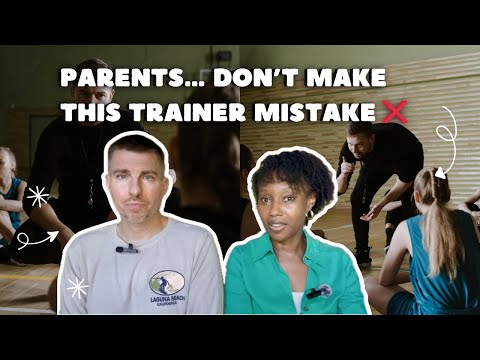
The full conversation is up now on Weather Anchor Mama on YouTube! 🎥
👉 Tune in, join the discussion, and let’s build stronger, more confident athletes together.
Don’t forget to like, comment, and subscribe so you never miss an episode! 💬👍🔔